321 Stainless Steel (UNS S32100): Properties, Applications & Supplier Guide
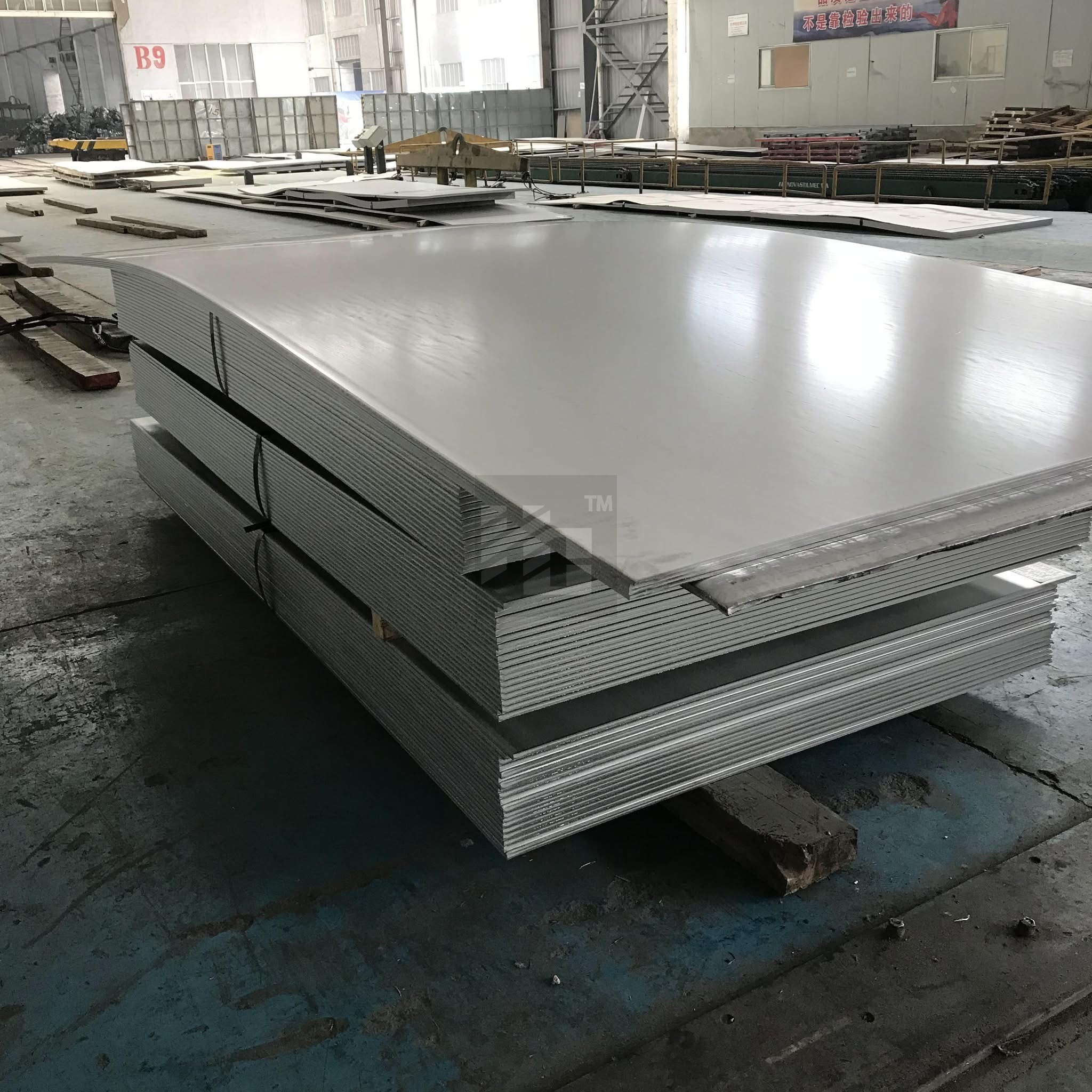
321 Stainless Steel (UNS S32100 / EN 1.4541): Titanium-Stabilized Alloy for High-Temperature Welded Applications
[City], China – As industries continue to demand materials capable of withstanding elevated temperatures and repeated welding cycles, 321 stainless steel (UNS S32100 / EN 1.4541) remains one of the most trusted austenitic stainless steel grades for high-temperature service. Its titanium-stabilized composition significantly improves resistance to intergranular corrosion after welding, making it a preferred material across petrochemical, power generation, aerospace, automotive exhaust, and industrial processing applications.
Unlike conventional 304 stainless steel, Grade 321 contains titanium at a minimum ratio of five times the carbon content. Titanium combines with carbon before chromium can form chromium carbides, effectively preventing carbide precipitation at grain boundaries during exposure to temperatures between 425°C and 850°C.
As a result, TP321 stainless steel maintains excellent corrosion resistance after welding without requiring post-weld heat treatment in most industrial applications, helping manufacturers reduce fabrication costs while improving long-term reliability.
Why Choose 321 Stainless Steel?
The primary advantage of 321 stainless steel is its ability to resist sensitization caused by prolonged exposure to elevated temperatures.
Key performance benefits include:
- Excellent resistance to intergranular corrosion after welding
- Stable mechanical properties under continuous high-temperature service
- Good oxidation resistance up to approximately 850°C
- Excellent formability and weldability
- Reliable performance under repeated thermal cycling
- Reduced maintenance and longer equipment service life
These characteristics make 321 stainless steel particularly suitable for components that cannot be heat-treated after fabrication.
Mechanical Properties and Product Forms
321 stainless steel provides an excellent balance of strength and ductility for demanding industrial environments.
Typical mechanical properties include:
- Yield Strength: ≥205 MPa
- Tensile Strength: 500–750 MPa
- Elongation: ≥40%
- Maximum Continuous Service Temperature: Approximately 850°C
The alloy is widely supplied in multiple product forms, including:
- 321 stainless steel plate
- 321 stainless steel sheet
- 321 stainless steel coil
- TP321 seamless pipe
- TP321 welded tube
- Round bar
- Flat bar
- Forgings
Manufacturing standards commonly include ASTM A240, ASTM A213, ASTM A312, and EN 10216-5.
To satisfy project quality requirements, suppliers typically provide:
- Mill Test Certificate (MTC)
- Chemical composition analysis
- Mechanical property testing
- Ultrasonic testing (UT)
- Eddy current testing (ECT)
- Third-party inspection by SGS, BV, or other recognized organizations
Typical Applications of TP321 Stainless Steel
Because of its excellent combination of corrosion resistance and high-temperature stability, 321 stainless steel is widely used in industries where welded components operate under sustained heat.
Aerospace
Engine exhaust systems, high-temperature ducts, thermal shields, and aircraft structural components exposed to repeated heating and cooling cycles.
Petrochemical and Chemical Processing
Heat exchangers, pressure vessels, furnace components, process piping, and reactors operating under elevated temperatures and mildly corrosive environments.
Power Generation
Boiler superheater tubes, reheater tubes, flue gas systems, thermal power equipment, and solar thermal energy installations.
Automotive Industry
Exhaust manifolds, turbocharger piping, catalytic converter assemblies, and heavy-duty diesel exhaust systems.
Food and Pharmaceutical Processing
High-temperature processing equipment, sanitary pipelines, and storage systems requiring both corrosion resistance and thermal stability.
321 Stainless Steel vs. 304 and 316 Stainless Steel
Engineers frequently compare 321 stainless steel, 304 stainless steel, and 316 stainless steel when selecting materials for industrial projects.
Compared with 304 stainless steel, Grade 321 offers significantly better resistance to intergranular corrosion after welding or prolonged exposure to temperatures between 425°C and 850°C.
Compared with 316 stainless steel, Grade 321 does not contain molybdenum and therefore is generally less suitable for chloride-rich environments. However, for high-temperature welded applications, it often provides a more economical solution while maintaining excellent structural stability.
Selecting the appropriate grade ultimately depends on operating temperature, corrosion environment, fabrication method, and project budget.
Selecting a Reliable 321 Stainless Steel Supplier
For industrial projects, sourcing from an experienced 321 stainless steel supplier is essential to ensure consistent quality and project reliability.
Qualified suppliers should be able to provide:
- Complete material traceability
- Original Mill Test Certificates (MTC)
- International standard compliance
- Third-party inspection services
- Custom processing and cutting
- Flexible MOQ for project-based procurement
- Stable global export capability
Reliable supply and comprehensive quality documentation help reduce procurement risks while ensuring compliance with international engineering specifications.
About Hongchen Metal
Hongchen Metal supplies a comprehensive range of 321 stainless steel plates, sheets, coils, pipes, tubes, and bars for customers worldwide. With extensive export experience and partnerships with leading steel mills, the company supports industrial projects through custom processing, international inspection services, and worldwide logistics solutions.
For technical datasheets, material specifications, or the latest 321 stainless steel price, contact our sales team for professional assistance.